What’s Fire Cider?
Fire Cider is a bright, punchy vinegar infused with roots, alliums, citrus, peppers, and warming spice.
How to Make Fire Cider
This is a starting guide, not a tested preservation formula: leave enough space for the vinegar to surround and cover the ingredients
About ½ cup chopped onion
1–2 garlic bulbs, cloves peeled and chopped
A 1–2-inch piece of fresh ginger, chopped
A 1–2-inch piece of fresh turmeric, chopped
1–2 serrano peppers, sliced
1–2 jalapeño peppers, sliced
¼–½ cup chopped or grated horseradish
Up to 1 lemon, sliced
1–2 cinnamon sticks
Organic apple cider vinegar (6.3% acidity), enough to completely cover the ingredients
Optional after straining: ¼–½ cup honey, to taste
Wash the produce, then chop and add the solid ingredients to a clean quart jar. Pour in the vinegar until everything is covered, leaving about an inch of space at the top. If using a metal lid, place a piece of parchment between the vinegar and lid. Seal, label with the date, and follow the care instructions to the right.
Caring for Your Fire Cider
Refrigerate your jar when you get home. Give it a gentle shake every few days to keep the ingredients covered with vinegar.
After 3–4 weeks, strain out the solids and save the liquid. Pour it into a clean bottle or jar, label it with the date, and keep it refrigerated. Optional: stir in honey to taste after straining—approximately ¼–½ cup per quart, depending on how sweet you like it.
Enjoy your fire cider as a boldly flavored vinegar. Discard the batch if you notice mold, bubbling, sliminess, or an unusual odor.
Fire Cider Ingredients
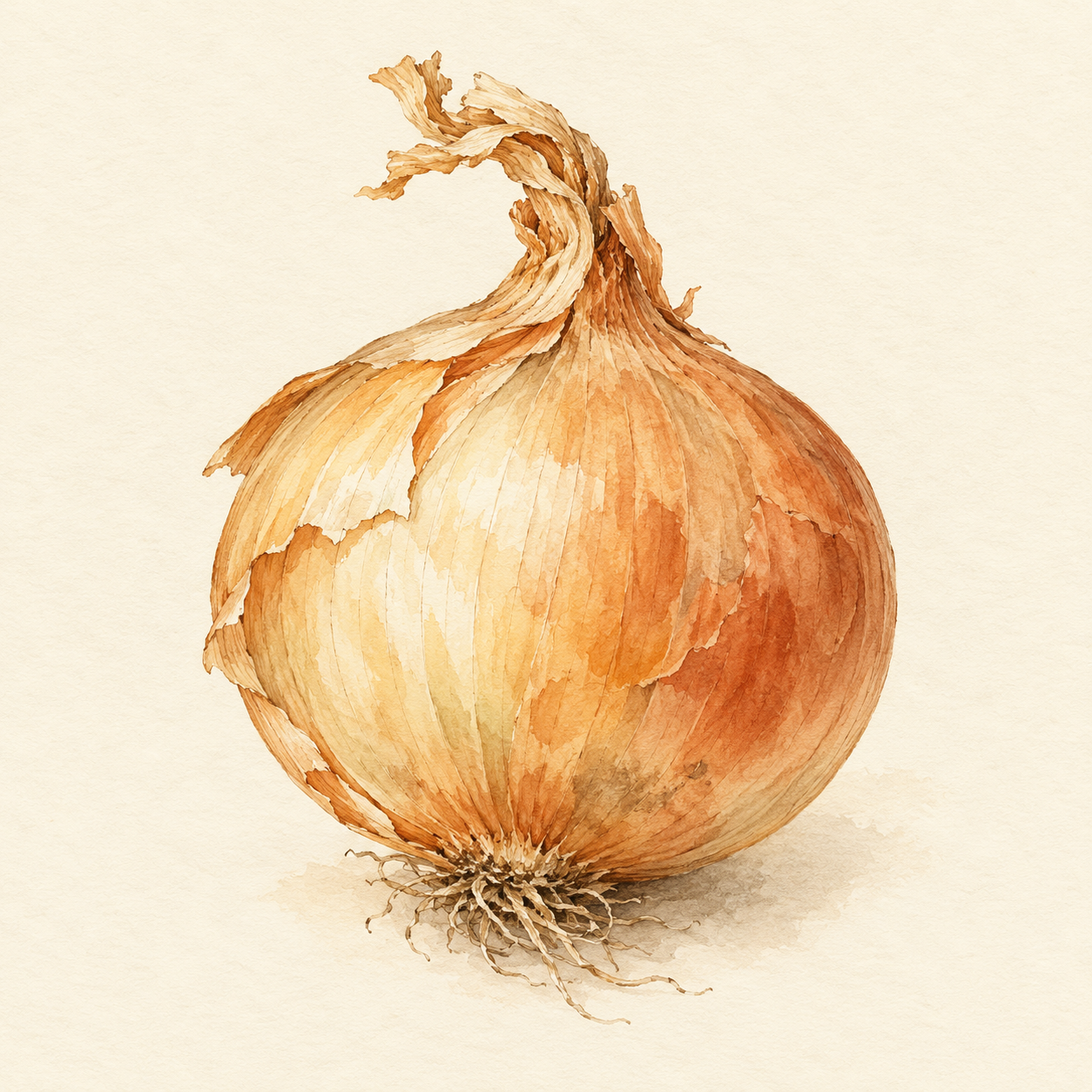
Onion gives fire cider a savory foundation. It belongs to the allium family and contains sulfur compounds and plant nutrients such as quercetin. Its sharpness mellows as it sits in the vinegar, helping bring the stronger flavors together.
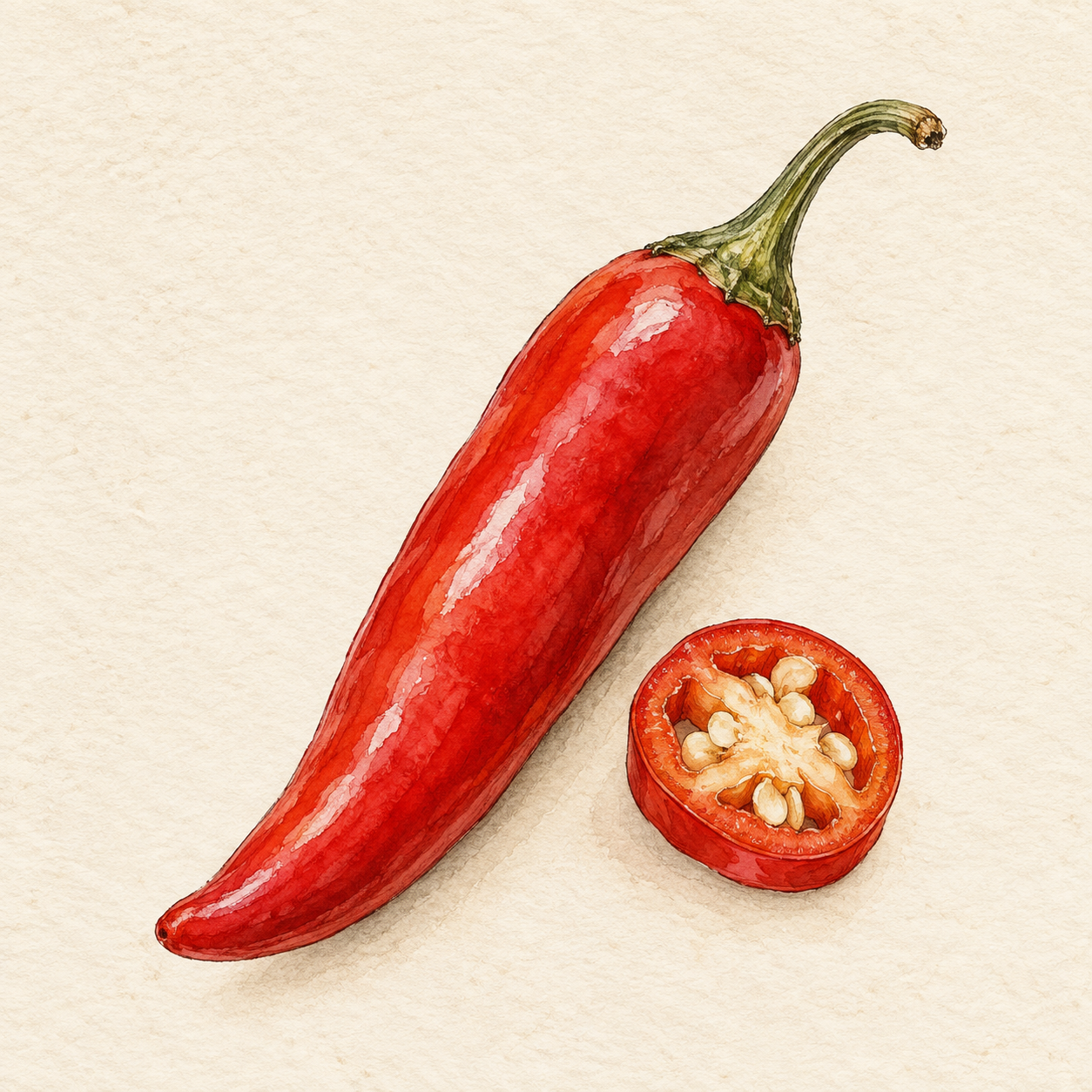
Serrano’s heat comes from capsaicin, the compound that gives chili peppers their kick. Serrano adds a bright, direct spiciness that helps fire cider live up to its name.
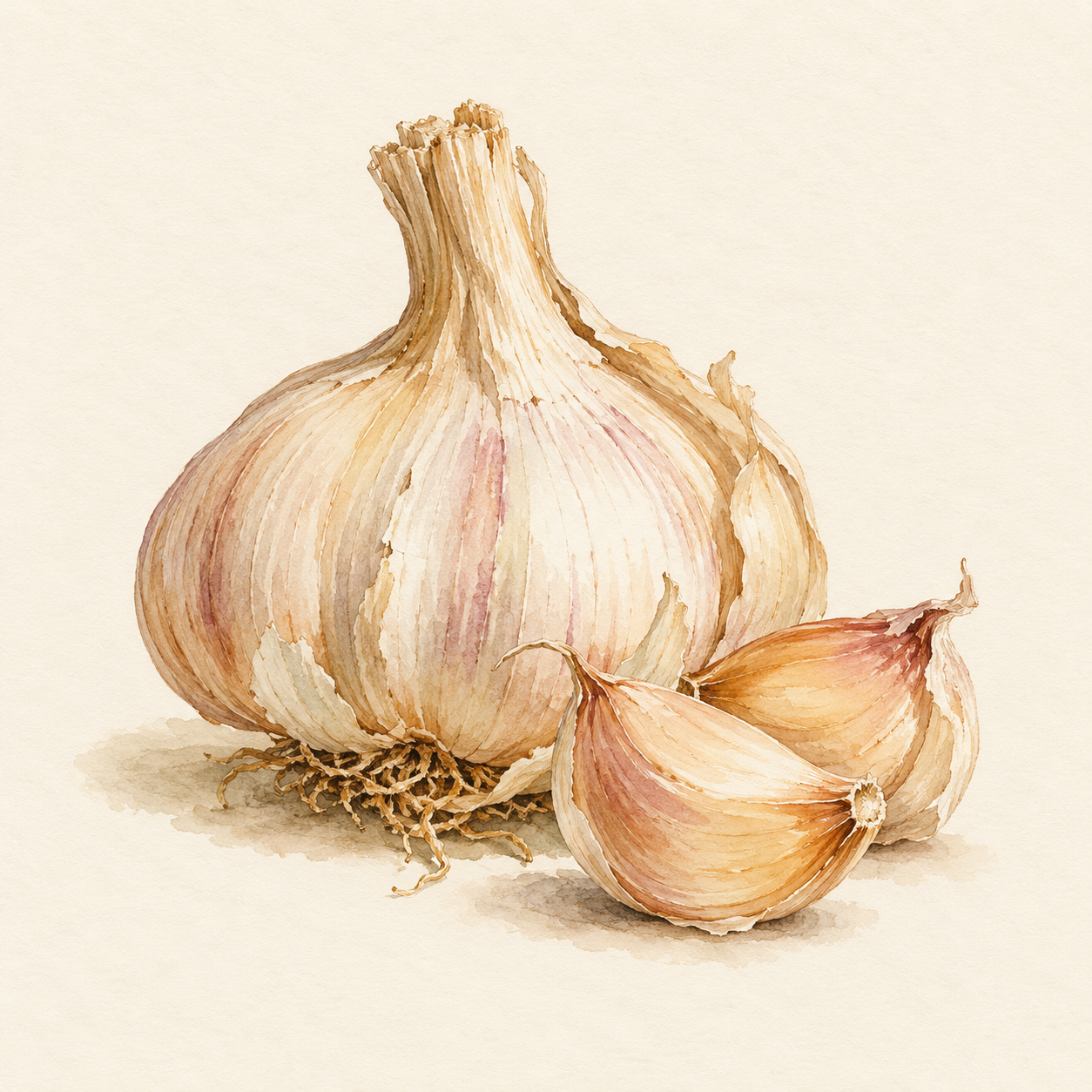
Chopping fresh garlic releases the sulfur compounds behind its unmistakable aroma and bite. Garlic has a long place in traditional food preparations, and it gives fire cider a deep, savory flavor that becomes more rounded as the jar infuses.
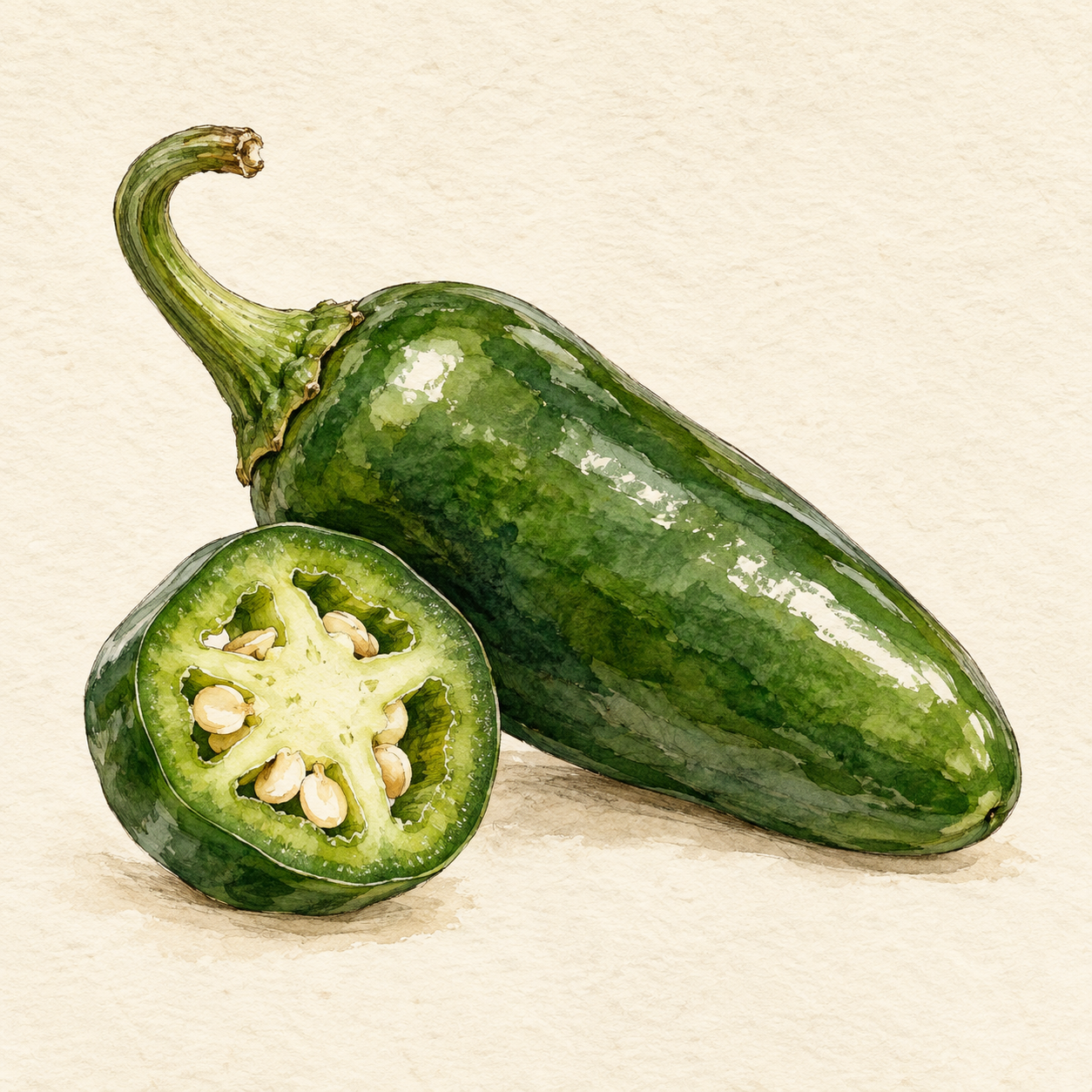
Jalapeño adds a greener, slightly softer pepper flavor alongside the serrano. Like other fresh peppers, it contains vitamin C and capsaicin. Together, the two peppers give the cider warmth and depth rather than just one kind of heat.
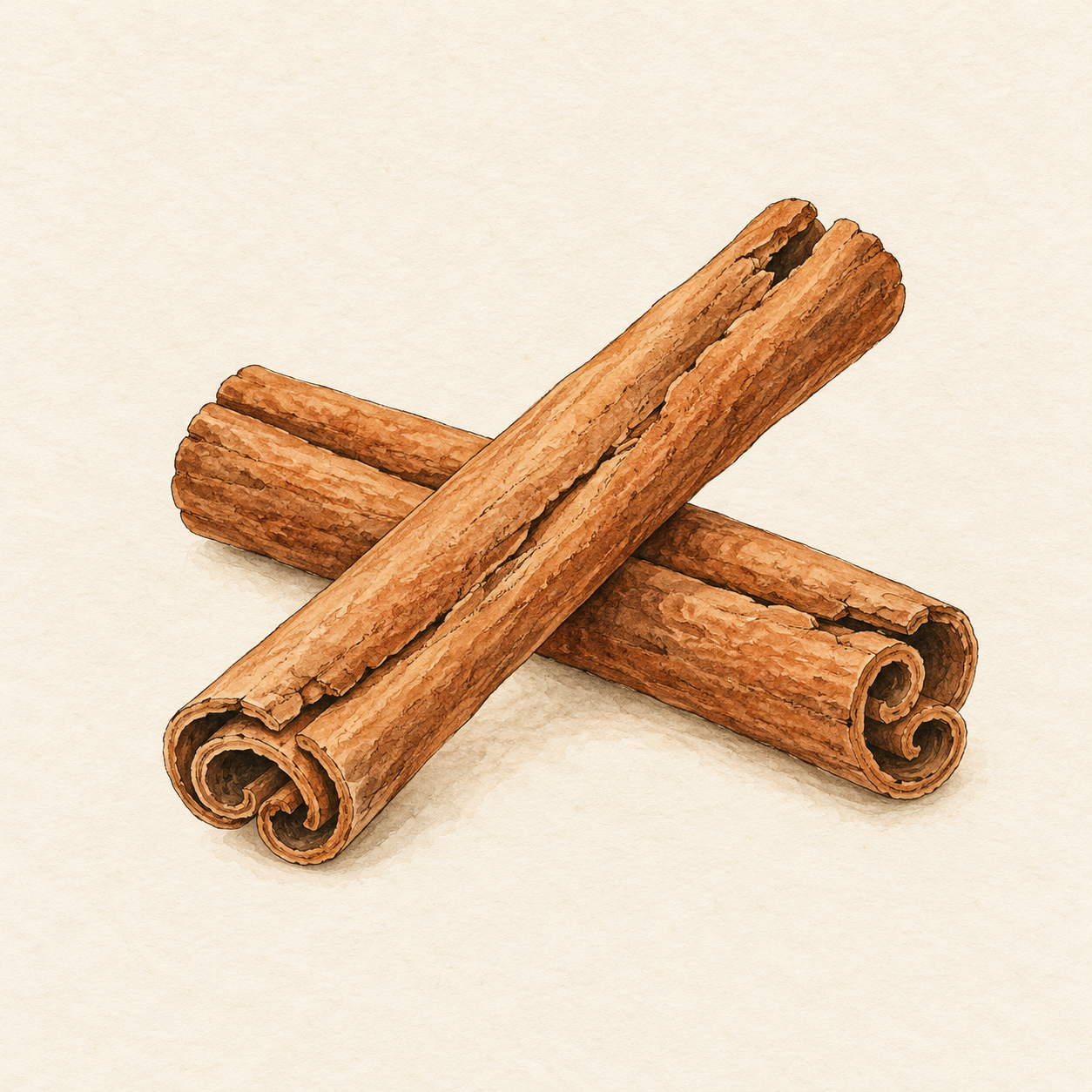
Cinnamon brings a gentle, sweet-smelling warmth to the tart vinegar and fiery peppers. It has been valued as a spice for centuries. One or two sticks round out the flavor without making the cider sweet.
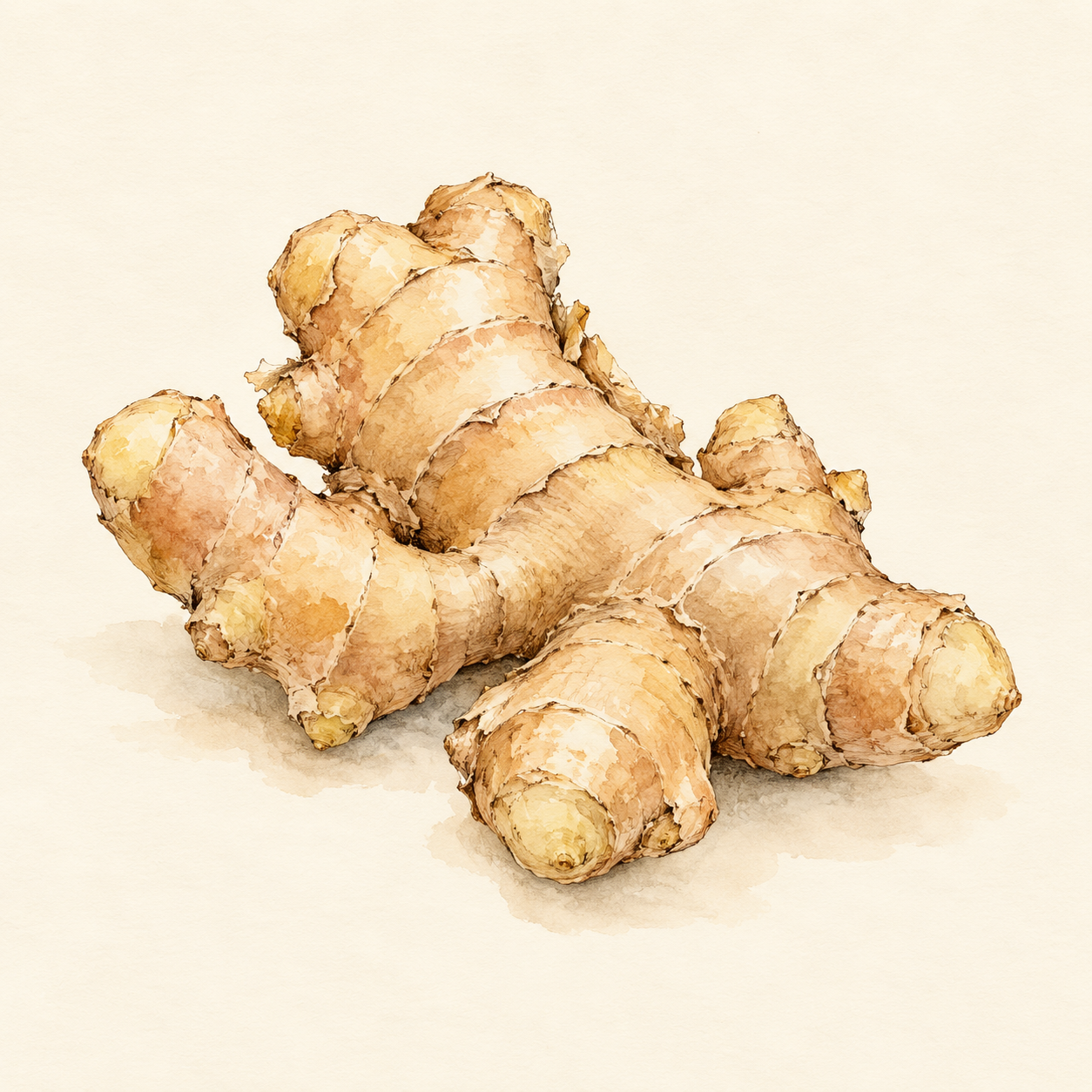
Ginger brings a warm, peppery zing to the jar. It has traditionally been used to settle the stomach, and its distinctive flavor comes partly from natural compounds called gingerols. It adds warmth without the heat of a chili pepper.
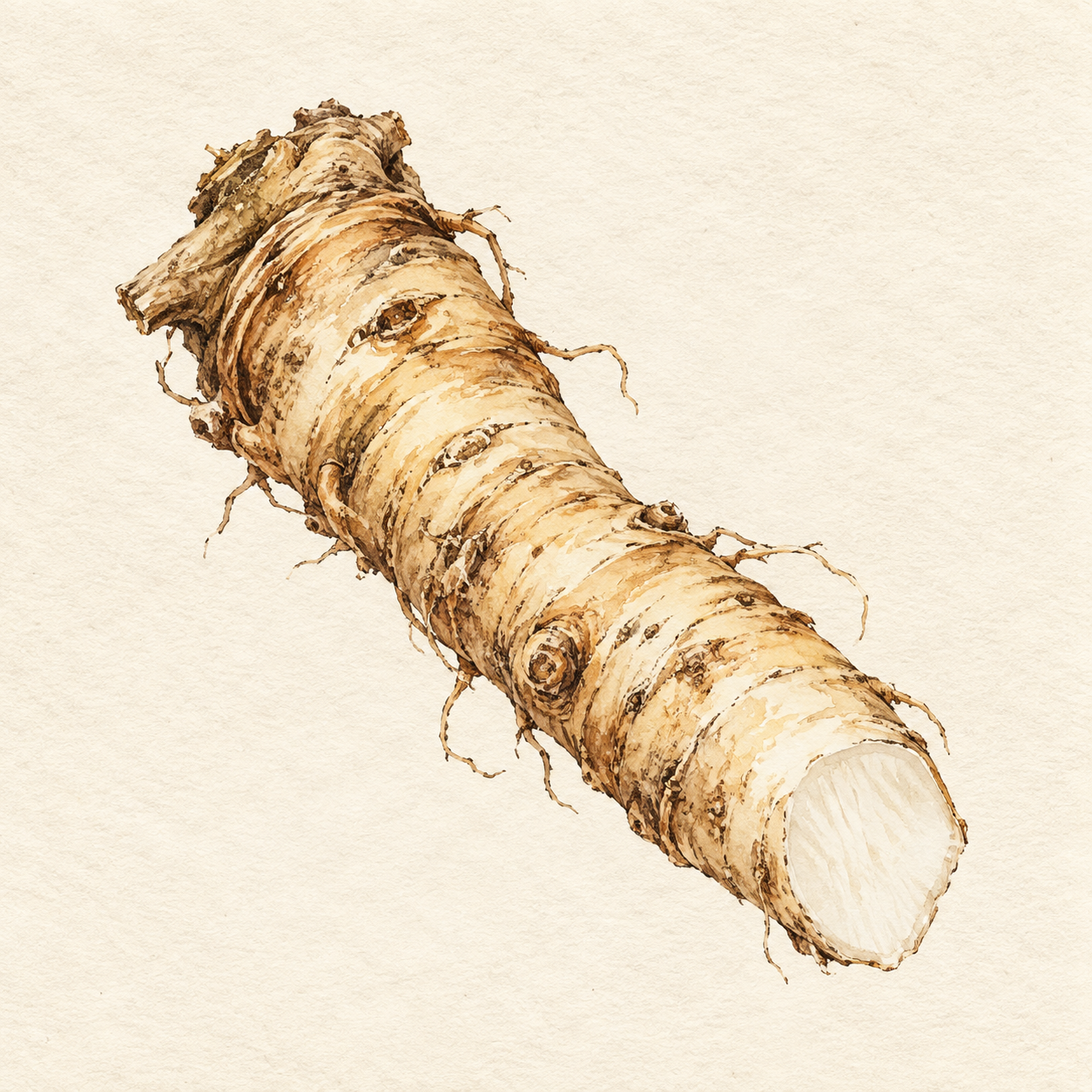
Horseradish provides fire cider’s signature nose-tingling kick. Chopping the root releases pungent compounds that create a different sensation from chili pepper heat. Its bracing flavor is one of the reasons this traditional infusion feels so lively.
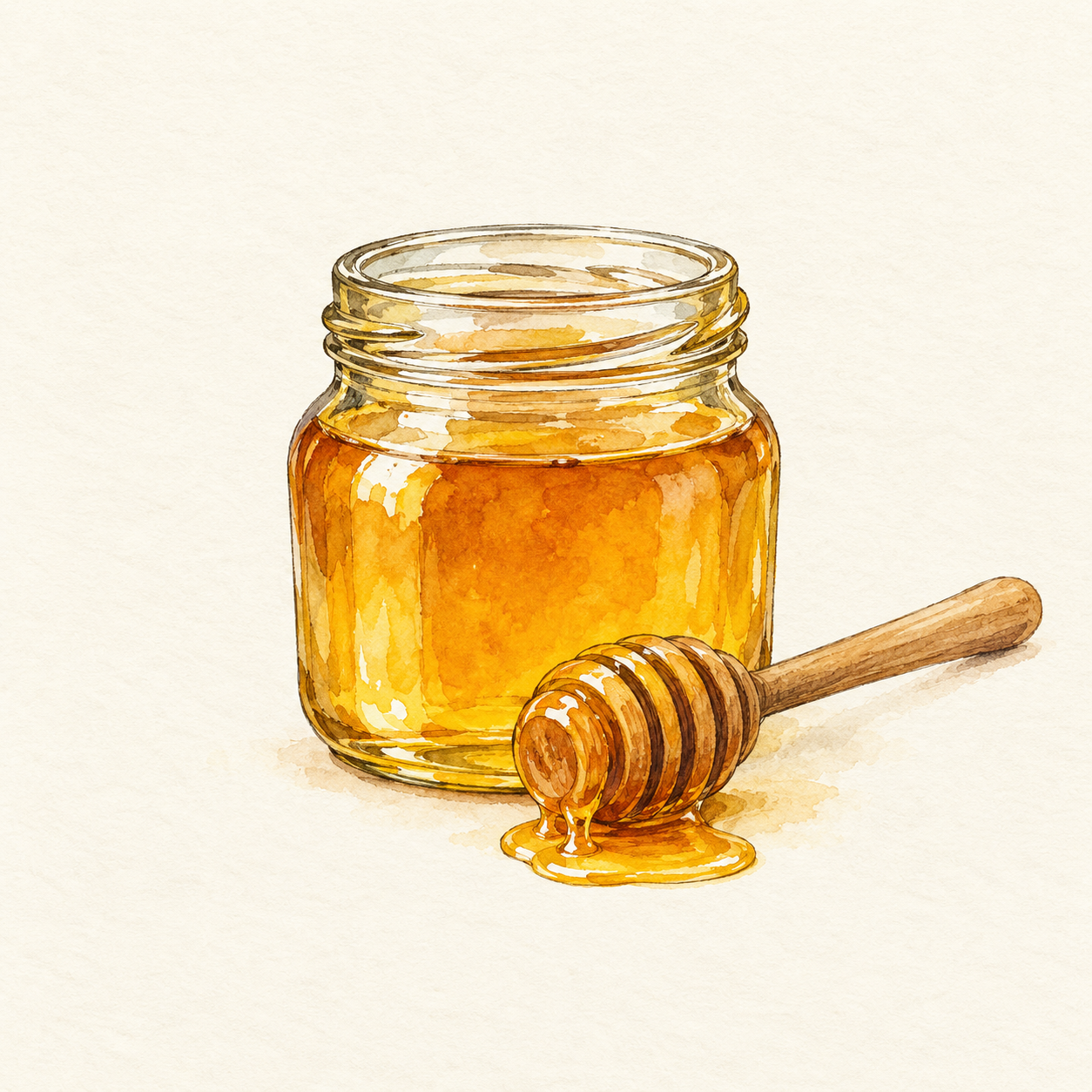
Honey is an optional finishing touch, stirred in after the cider has infused and the solids have been strained. It softens the tartness and heat without covering up the other flavors. Add a little at a time until the balance tastes right to you.
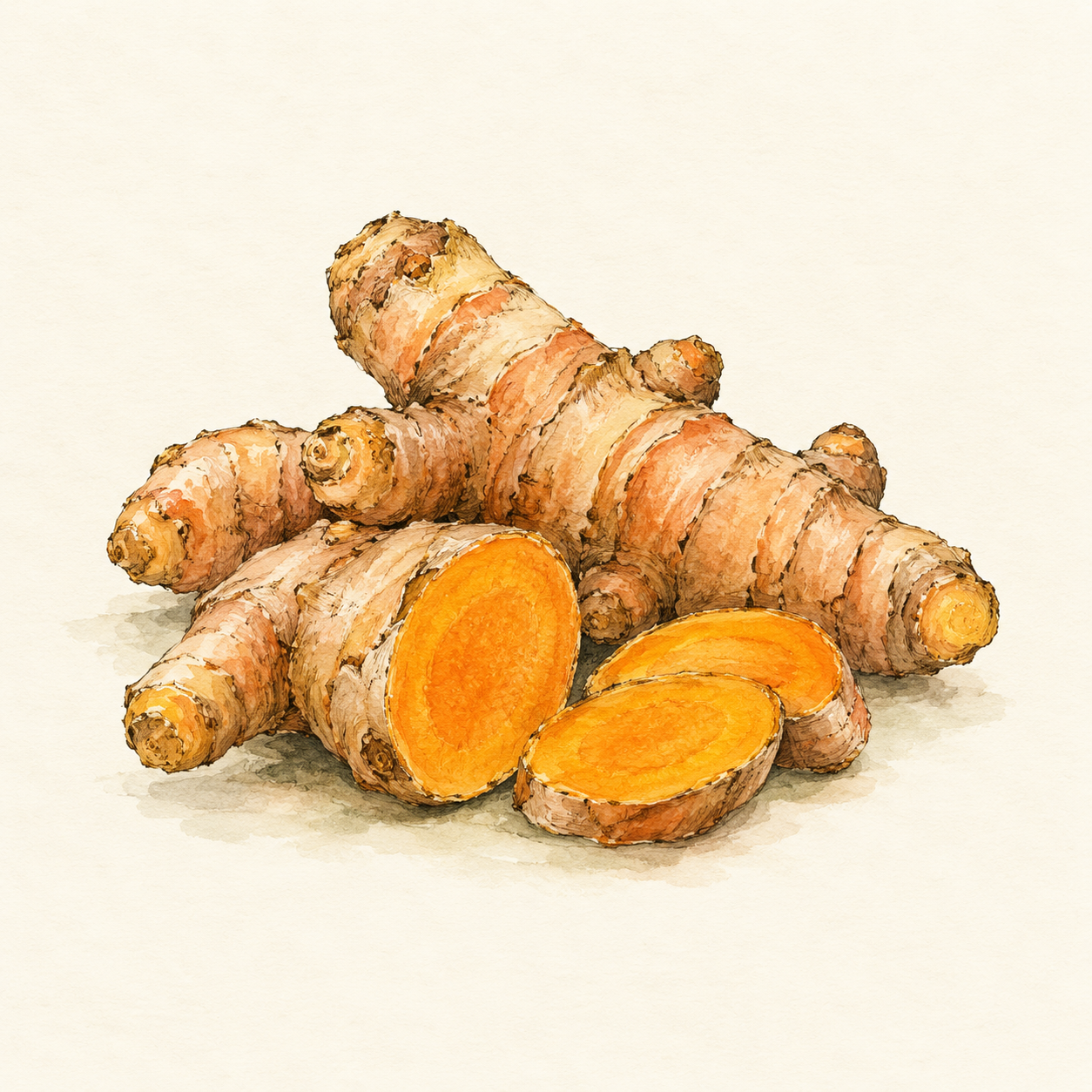
Fresh turmeric adds an earthy note and the golden color that makes this cider glow. The root contains curcumin, a plant compound that has drawn interest for its antioxidant properties. A little goes a long way in both flavor and color.
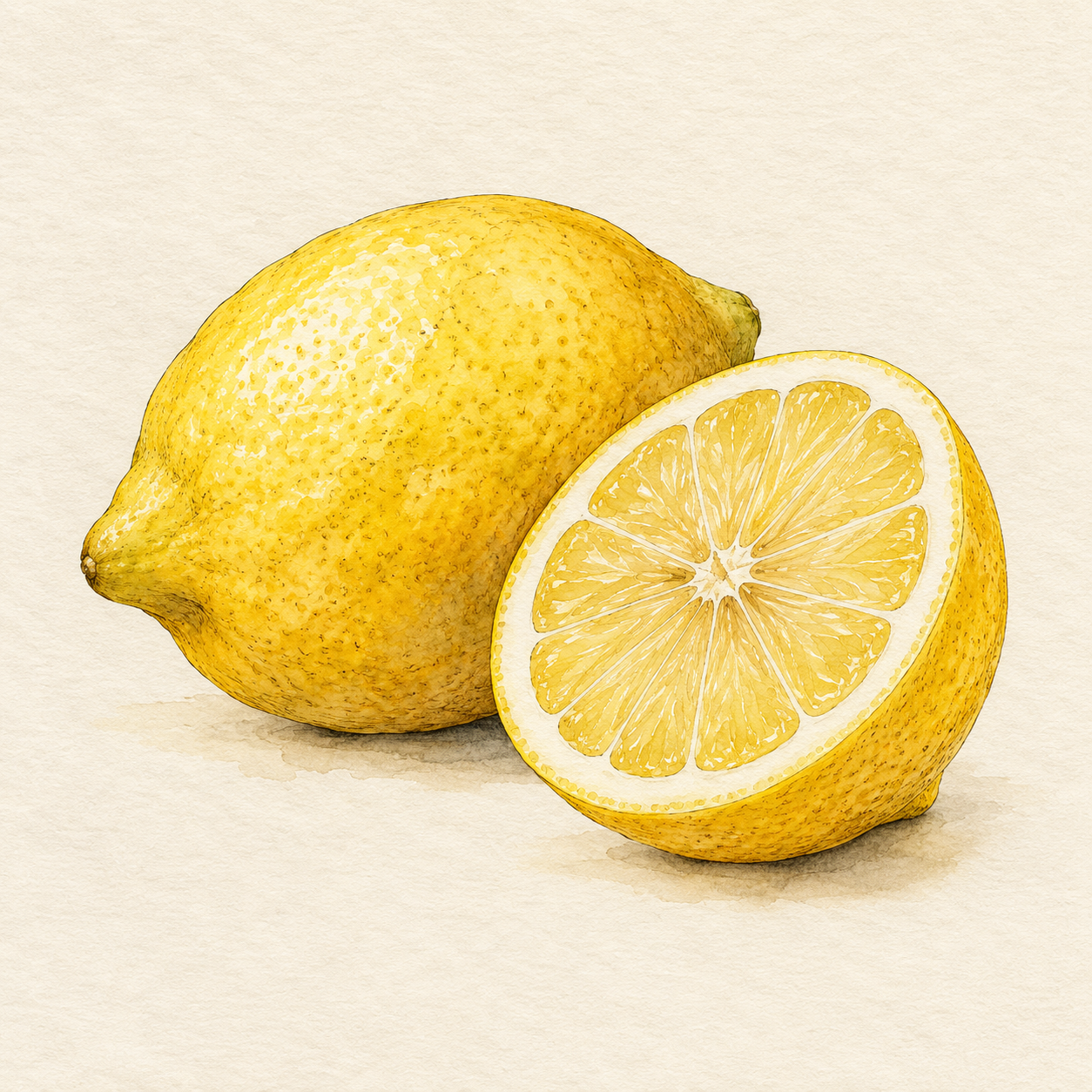
Lemon brightens the jar with citrus flavor and a fragrant peel. Citrus is a familiar source of vitamin C, and its fresh aroma balances the heavier notes of onion, garlic, and roots. We slice the whole lemon so both the juice and peel can contribute flavor.
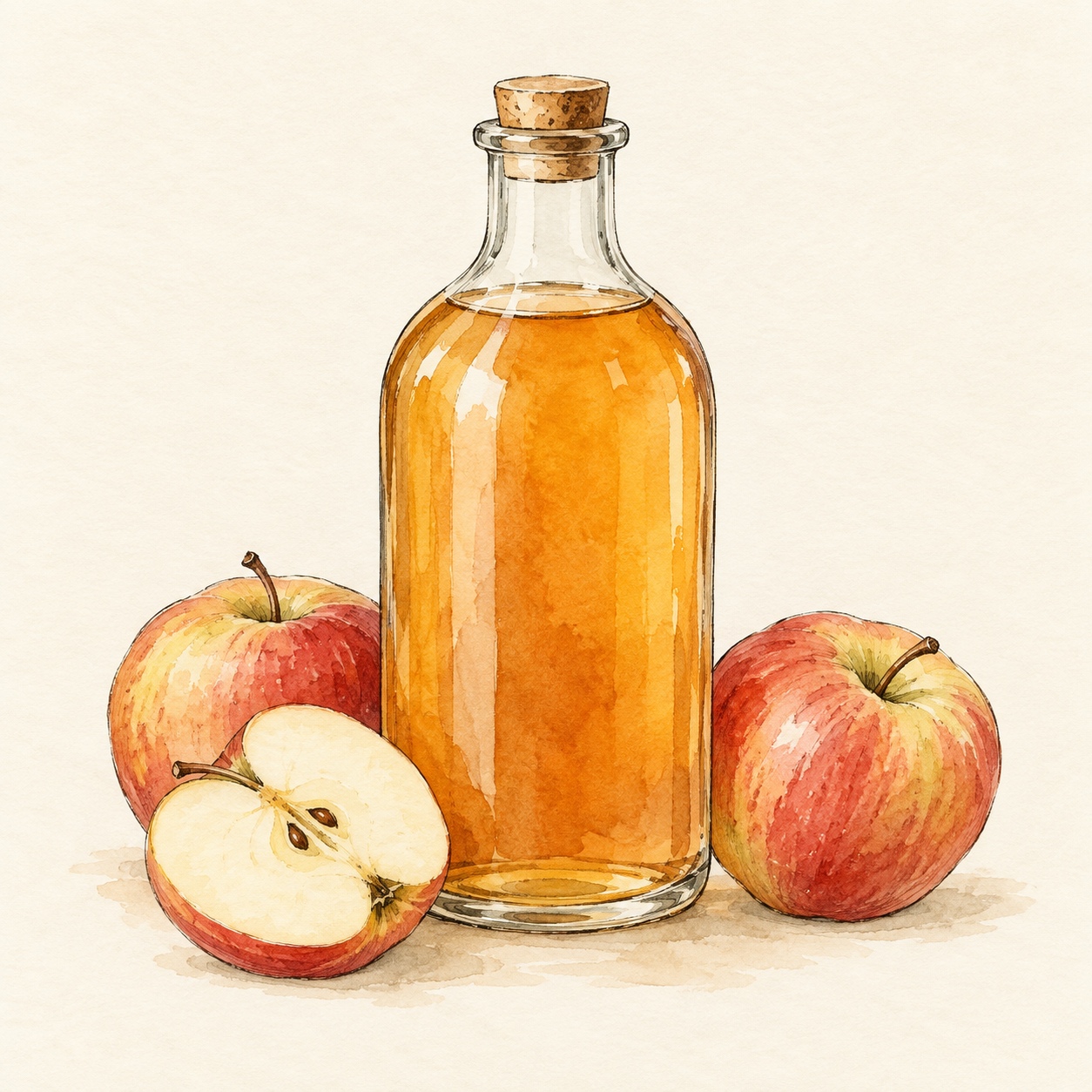
Apple cider vinegar is the tart base that carries the flavors of the roots, peppers, citrus, and spices. Its tang comes from acetic acid, formed as apple cider becomes vinegar. We use organic apple cider vinegar with 6.3% acidity, which gives this fire cider a particularly bright, bold finish.